Thursday, April 8, 2010

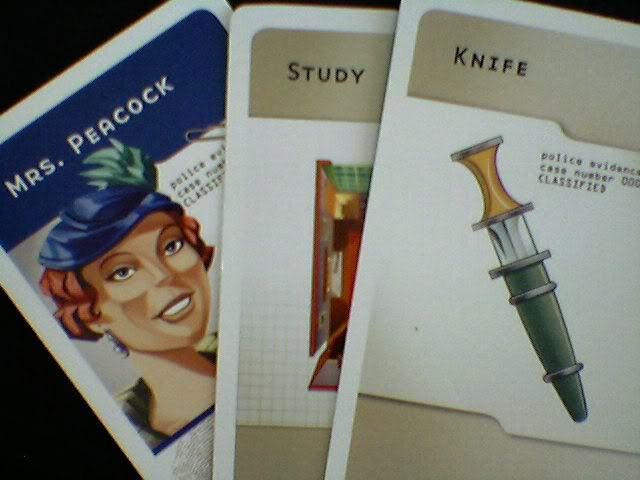
Peacock, Study, Knife: Writing Mystery


Writing a mystery novel can be an incredible experience, especially if you are a champion for this genre. You have the ability to take the reader on a journey in their mind, and you have the choice to lead them correctly, deceive them temporarily, or simply take them along as the story unfolds. One of the most difficult tasks facing mystery writers is the fact that sometimes you just don't know how the end is going to turn out – even if you are the one writing the story.
Agatha Christie, known as the world's premier writer of mystery novels, had a secret. Quite often, it wasn't until the end of the book that she knew who committed the crime. Once she came to that realization, she often had to backwrite to add evidence. There is no shame in backwriting and if the world's best mystery writer used this technique, we can all learn from her.
The most important thing to remember when writing a mystery is that character motivation is the key to your success. If you have a character that simply kills without reason, readers will have a difficult time processing the information. If the hero just stumbles on the answer without putting any effort into the investigation, your readers will feel cheated.
Remember, your reader should also be your main character. They are trying to solve the mystery at the same time and they will be identifying with this character. In order to make it believable, you have to craft a story that the reader can follow logically from point A to point B. This is a secret that many fledgling mystery writers miss. If you can put your reader in your main character's shoes, striving to find the truth, you will have the key to success.




Wednesday, April 7, 2010

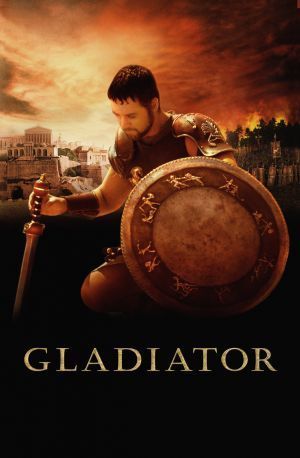
Literary Gladiators: How to Win Writing Contests


If you are trying to make a name for yourself in the writing world, or develop your resume as a writer, winning writing contests is often the easiest way to accomplish this. Every year there are hundreds of different contests available and while the prizes may not be large, the recognition and industry backing you can gain make them well worth the effort.
There are two main types of writing contests – one for works that are already completed, and one for stories written entirely for the contest. If you are submitting an existing work to a contest, read the rules carefully to make sure that your work fits the guidelines. There is nothing worse than paying an entry fee only to have your work rejected because it did not fit the scope of the contest.
If you are writing a new piece for a contest, it is important to keep the right perspective. Consider your odds of winning, coupled with the amount of time that it will take you to complete the work. It's smart business to spend your writing time in the most effective way possible. Don't take your time away from an existing project if you do not feel confident that the contest is worth the effort.
One thing to remember however is not all writing contests are legitimate. There are many people who use these contests as a way to get easy money from writers and awards are either never given out or are entirely meaningless. If you want to enter a writing contest, take the time to research it first. If they have a good reputation and the award is worth winning, then enter. If not, it is better to spend your time doing what you do best – writing. If you keep honing your craft, you will gain recognition.

Tuesday, April 6, 2010

Whirled Peas: Creating a Theme for a Book


The theme for your book is the central point that the entire plot revolves around. If you don't have a strong theme that can carry through to the end, holding a reader's interest will be impossible. Often, the difference between a book that is sold and one that ends up on the slush pile is the strength of theme. Before you even start your book, it is vital to develop a central theme.
First, you need to plot out the entire book, start to finish. This outline will be useful in helping you finish the book, and can be used if you get stuck in the middle of a chapter. This outline will help you develop the central theme in your book. What is the main premise of your book and how will you work towards resolution?
Consider also the genre you are working in. For example, if your book is a murder mystery, you will need to create a theme that supports the plot elements. If your book is an action adventure, the main theme should be the quest. Whenever you are stuck, you can always fall back on your theme to pull you through.
It has been said for centuries that there are twelve main types of stories – or themes if you will. These themes follow a set formula. Using the above example, an action adventure story typically revolves around a quest that the characters must undertake to reach their desired goal. A murder mystery revolves around clues given to the reader and the main character's attempts to solve the mystery.
Your theme must be strong, it must be believable, and it must follow the set formula for your genre. While there is nothing wrong with departing a little or mixing thematic elements, at its core, you must have a theme that can carry the story from beginning to end.

Monday, April 5, 2010

Storia Della Mia Vita: How to Write a Memoir


Writing your own memoir is a task many people dream of undertaking, but once you get to it, it can be easy to get discouraged. No matter what kind of story you are trying to tell, a memoir is intensely personal and the process can be exhausting. If you have decided that you have a story to be told, whether it is intended for the mass market or even just your close family and friends, a memoir is a serious undertaking.
The first step is to get organized. Decide how you want to tell your story. The most logical flow for a memoir is chronological, but this may not always work, depending on your story. Create a timeline of the events and time periods that you want to cover in your book. This will help you get organized for all of the information that you want to include.
Next, decide which events will be included and which may not be as important. If something pivotal happened in your life, then it will definitely need to be included. If you are discussing what you had for breakfast in 1963, it probably isn't as important, unless of course you developed food poisoning that changed your life. Weigh everything in context to see just what you want to include in your book.
The most important piece of advice is to take your own ego out of the equation. Even the most humble of us still has an ego and it can be easy to overlook things or include things that paint you in a certain light but may not tell the story honestly. Aim to be honest with your readers, even if it hurts. A memoir can be anything from a thrilling adventure to a stirring confessional – but it has to be honest.
If you qualify, we will publish your book at our expense. Email your proposal to thepublishingguru@gmail.com

Friday, April 2, 2010

Turbo-Writer: How to Write a Book in 30 Days


Writing an entire novel or non fiction book may on the surface seem to be impossible. However, if you break up your tasks the right way, it is completely possible to finish a book quickly. The average full length book can range anywhere from 60,000 to 100,000 words. If you divide that number up into days, in order to finish the book in a month, you would only need to complete 2000 to 3500 words per day.
The key to quickly finishing any book is proper planning from the beginning and having a firm understanding of the subject matter. If necessary, complete any needed research ahead of time and make copies of what you will need to know for certain sections of your book. Many times, the researching phase takes longer than the actual writing of a book, especially if you are working on non fiction.
Create an outline for your book from start to finish, even if you are writing fiction. After you have completed your outline, write a treatment for your project. This treatment should be like a condensed version of the book you are going to write and can be from three to five pages long.
Once you have your outline and your treatment, you can fall back on these resources while you are writing. If you do get stuck in the story, returning to the outline you prepared can help you get back on track. Set aside time each day to focus on your writing and set a goal of how many words you want to write each day.
There may be days where 5000 words easily flow and there may be others where you simply cannot get any work done on your book. However, with dedication and firm goals, you can write a book in less than 30 days.

 
Who links to my website?